Campus RFID Cards Revolutionizing Student Experience
Get the latest insights, market trends & inspiration!

The modern campus is evolving rapidly, and at the heart of this transformation lies a small but powerful piece of technology: the RFID-enabled student ID card. What was once a simple photo identification has become a multifunctional tool that streamlines campus life, enhances security, and creates seamless experiences for students, faculty, and administrators alike.
The Evolution of Student Identification
Traditional student ID cards served a single purpose: visual identification. Security guards would glance at photos, librarians would manually check cards, and cafeteria staff would handle cash transactions. This approach was not only time-consuming but also prone to fraud and human error.
RFID (Radio-Frequency Identification) technology has fundamentally changed this landscape. By embedding a tiny chip and antenna within the card, institutions can now automate verification processes, track access in real-time, and provide students with a single credential that works across the entire campus ecosystem.
Key Applications Transforming Campus Life
1. Secure Building Access
Gone are the days of lost keys and expensive lock replacements. RFID cards provide tap-and-go access to dormitories, laboratories, libraries, and restricted facilities. Administrators can instantly grant or revoke access privileges, and every entry is logged for security audits. If a card is lost, it can be deactivated immediately, eliminating the security risks associated with traditional keys.
2. Automated Attendance Tracking
Manual attendance taking consumes valuable classroom time and is prone to buddy-punching. RFID-enabled attendance systems allow students to simply tap their cards upon entering, creating accurate records that integrate directly with learning management systems. This data helps identify at-risk students early and ensures compliance with attendance policies.
3. Cashless Campus Payments
From cafeterias to vending machines, bookstores to laundry facilities, RFID cards enable seamless cashless transactions. Students and parents can load funds through online portals, and spending can be monitored and controlled. This reduces cash handling, speeds up queues, and provides detailed transaction histories for budgeting purposes.
4. Library and Resource Management
RFID integration with library systems allows for quick book checkouts, automated returns, and real-time inventory tracking. Students can access computer labs, reserve study rooms, and check out equipment with a simple tap, while the system maintains accurate usage statistics for resource planning.
The Technology Behind the Card
Modern campus RFID systems typically operate on one of three frequency bands:
The choice of technology depends on specific institutional needs, existing infrastructure, and security requirements. Many modern implementations use dual-frequency cards that combine multiple technologies for maximum flexibility.
Security Considerations
Security is paramount in educational environments. Advanced RFID cards employ multiple layers of protection:
Implementation Benefits for Institutions
Beyond student convenience, RFID card systems deliver significant operational advantages:
The Future of Campus Cards
The evolution continues with mobile credential technology, allowing students to use their smartphones as virtual ID cards. This NFC-based approach maintains security while adding convenience. However, physical cards remain essential as backup credentials and for students without compatible devices.
Integration with IoT (Internet of Things) devices is expanding card functionality further. Smart lockers, connected printers, and automated equipment dispensers are just the beginning of a fully connected campus ecosystem.
Choosing the Right Solution
Selecting an RFID card system requires careful consideration of current needs and future scalability. Key factors include:
Working with an experienced provider ensures smooth implementation and ongoing support as your campus technology needs evolve.
*Ready to transform your campus with smart RFID card solutions? Contact Campus RFID to discuss your institution's specific needs and discover how we can help create a more connected, secure, and efficient campus environment.*
Ready to Implement RFID on Your Campus?
Contact us to learn how our RFID solutions can improve campus security and student experience.
Related Articles
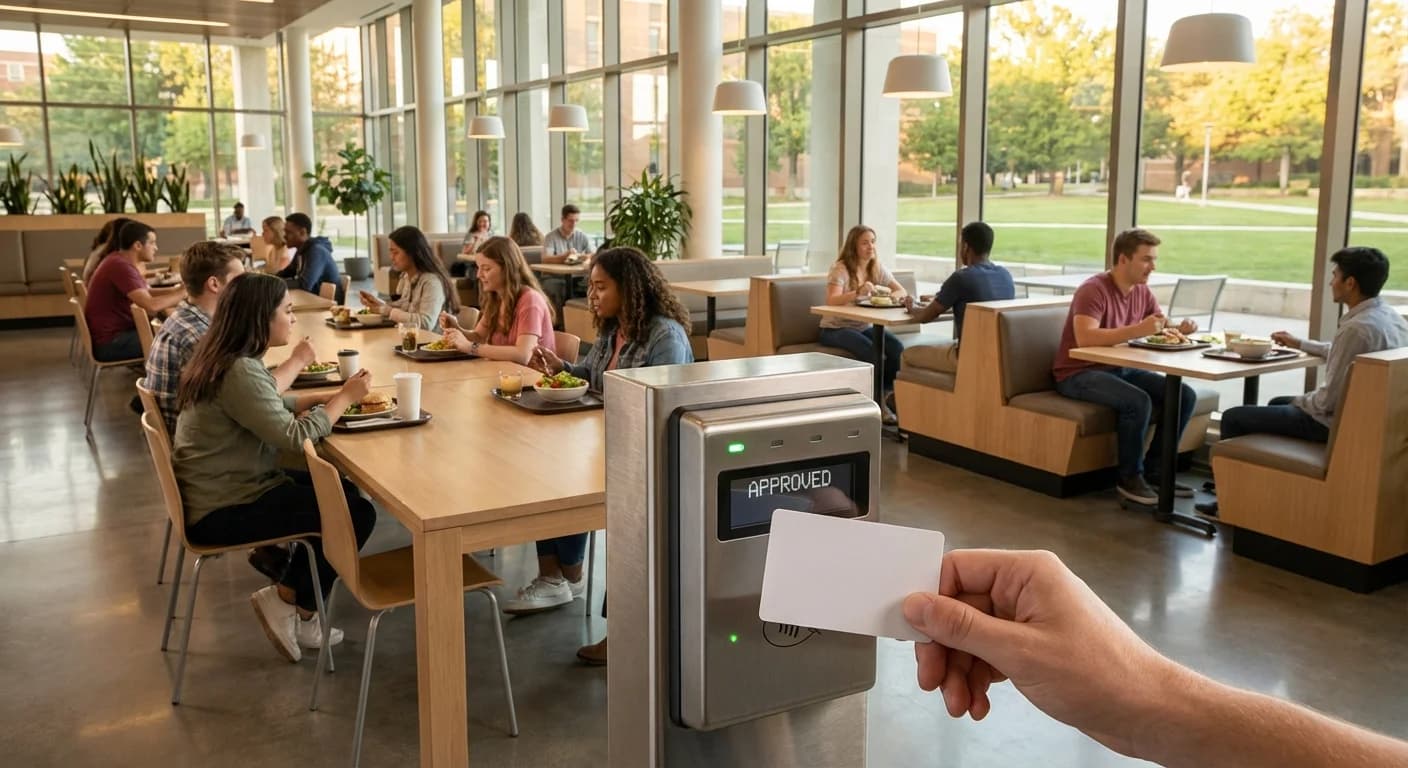
How RFID Campus Cards Are Transforming University Dining
Walk into any university dining hall during peak lunch hour and the scene is familiar: hundreds of students streaming through doors, tapping cards or phones at point-of-sale terminals, grabbing meals, and heading out — often in under 30 seconds. Behind that seamless experience is RFID technology,...
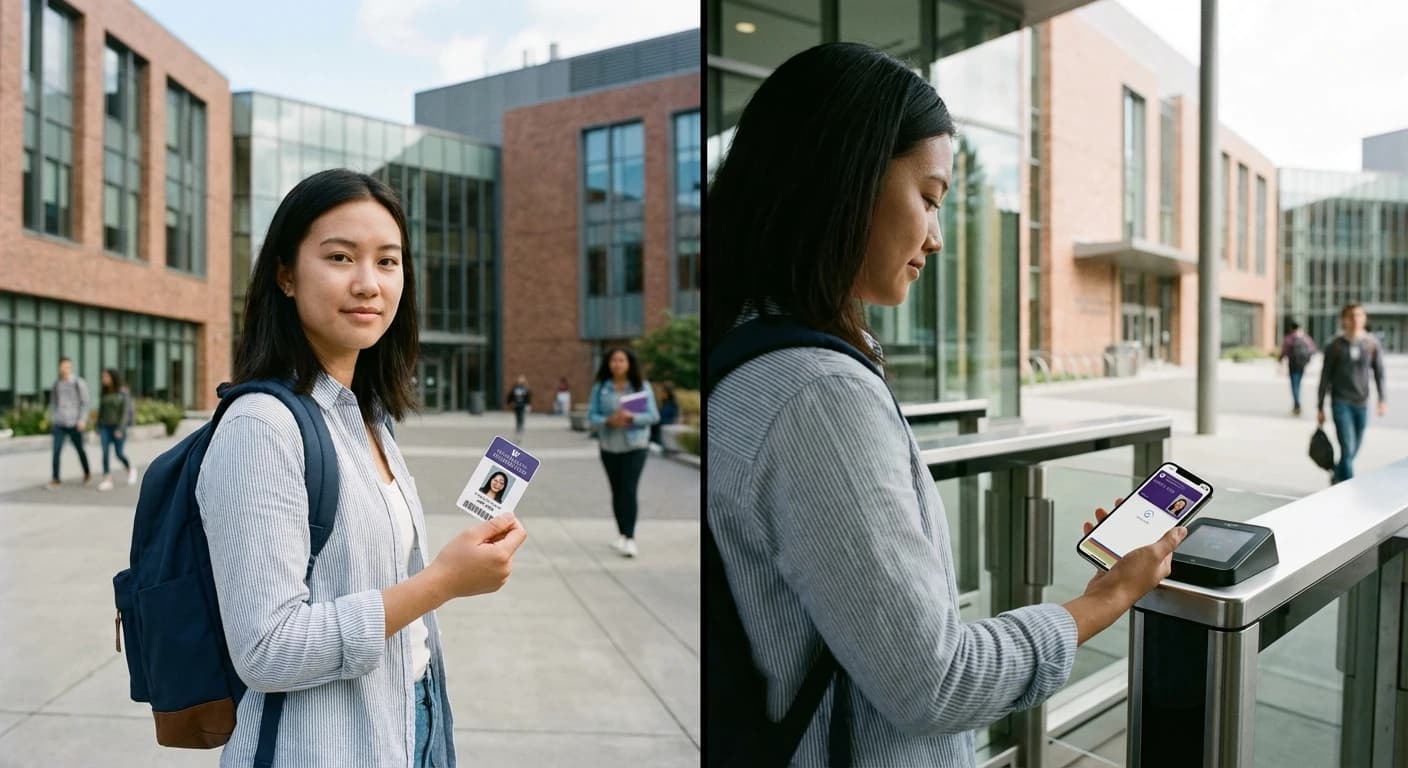
Mobile vs Physical RFID Cards: What 97% of Students Really Want from Campus Access
Campus access technology stands at a crossroads. With 97% of adults aged 18-29 now owning smartphones, the push toward mobile credentials feels inevitable. Yet the question facing university administrators isn't simply "mobile or physical" — it's understanding what actually works when 30,000...