Why Universities Are Replacing Keys with RFID Cards: The 2026 Unified Access Revolution
The traditional metal key is becoming a relic of campus security's past. As universities manage increasingly complex ecosystems of dormitories, laboratories, athletic facilities, and administrative buildings, the limitations of physical keys have become impossible to ignore. Lost keys require...

The traditional metal key is becoming a relic of campus security's past. As universities manage increasingly complex ecosystems of dormitories, laboratories, athletic facilities, and administrative buildings, the limitations of physical keys have become impossible to ignore. Lost keys require expensive rekeying. Stolen keys create security vulnerabilities that can persist for weeks. And tracking who accessed what building at what time? Nearly impossible without a paper sign-in sheet that nobody actually uses.
In 2026, forward-thinking institutions are abandoning this fragmented approach entirely. The shift isn't just about swapping metal for plastic—it's about reimagining campus access as a unified, intelligent system where a single RFID-enabled student ID card becomes the master key to the entire university experience.
The Numbers Behind the Unified Access Movement
The momentum toward integrated access control systems has reached a tipping point. According to recent industry research, 67% of security leaders are now prioritizing unified, software-driven security platforms over traditional point solutions. This isn't a gradual shift—it's a decisive pivot driven by operational realities that university administrators know all too well.
Consider the math: A mid-sized university with 15,000 students and 200 buildings might manage over 5,000 physical keys. Each lost key costs $50-150 to replace when you factor in rekeying labor. With typical loss rates of 3-5% annually, institutions can spend $75,000 or more just maintaining a system that offers zero visibility into access patterns.
RFID cards flip this equation entirely. A lost card is deactivated in seconds and replaced for under $5. More importantly, that replacement doesn't compromise the security of any door on campus.
Platform Approach vs. Point Solutions: Why Integration Wins
The legacy approach to campus security created silos everywhere. Door access ran on one system. Video surveillance operated independently. Alarm monitoring lived on yet another platform. Each vendor promised their solution was "best in class," but nobody's systems talked to each other.
The 2026 platform approach fundamentally changes this architecture. Modern RFID access systems serve as the connective tissue linking previously isolated security functions:
This integration eliminates the "swivel chair" problem where security staff toggle between multiple applications to piece together what happened. A unified platform presents a single source of truth.
Beyond Security: The Student Experience Multiplier
Security administrators often lead the conversation about RFID adoption, but the benefits extend far beyond loss prevention. When a single card grants access to everything on campus, the student experience transforms.
Modern RFID student ID cards consolidate functions that previously required separate credentials:
For students, one card means one less thing to remember. For administrators, it means one consolidated data stream showing how students actually interact with campus resources—intelligence that can inform everything from facility scheduling to dining hall staffing.
Implementation Realities: What Successful Transitions Look Like
Universities that have successfully migrated from keys to RFID share common approaches that minimize disruption while maximizing adoption.
Phased Rollouts Beat Big Bang Launches
Starting with high-traffic, high-security areas—research labs, data centers, residence halls—allows IT teams to refine processes before campus-wide deployment. This approach also generates early wins that build institutional support for the broader initiative.
Mobile Credential Readiness
The smartest 2026 implementations plan for mobile from day one. While RFID cards remain the primary credential, systems that support smartphone-based access via Apple Wallet or Google Wallet provide backup options and appeal to students who'd rather tap their phone than dig out a physical card.
Visitor and Contractor Management
Any access system is only as secure as its weakest credential. Modern platforms include visitor management modules that issue temporary RFID credentials with automatic expiration—eliminating the persistent vulnerability of keys that were "supposed to be returned."
The Data Dividend: Analytics That Drive Decisions
Perhaps the most underappreciated benefit of RFID access systems is the operational intelligence they generate. Every card swipe creates a data point. Aggregated responsibly, these patterns reveal insights that were previously invisible:
This isn't surveillance theater. It's operational awareness that helps institutions serve students better while maintaining environments where learning can thrive.
Making the Transition: Where to Start
The journey from keys to unified RFID access doesn't require a complete infrastructure overhaul on day one. Many institutions begin with a needs assessment that identifies the highest-impact opportunities—often residence halls and research facilities—then expand systematically.
The critical first step is choosing a partner who understands the unique demands of educational environments. Campus access isn't corporate access. Students lose cards at rates that would make office workers blush. Semester transitions create credentialing surges. And the integration requirements—tying into student information systems, dining services, and dozens of other campus platforms—demand specialized expertise.
At CampusRFID, we've helped institutions of every size navigate this transition, from community colleges consolidating their first building access system to research universities managing credentials across multiple campuses. Our team understands that successful implementation isn't just about the technology—it's about change management, training, and ongoing support that keeps your system running smoothly year after year.
**Ready to explore what unified RFID access could look like on your campus?** Contact our team for a consultation tailored to your institution's specific needs and timeline. The key to your campus's future might be no key at all.
Ready to Implement RFID on Your Campus?
Contact us to learn how our RFID solutions can improve campus security and student experience.
Related Articles
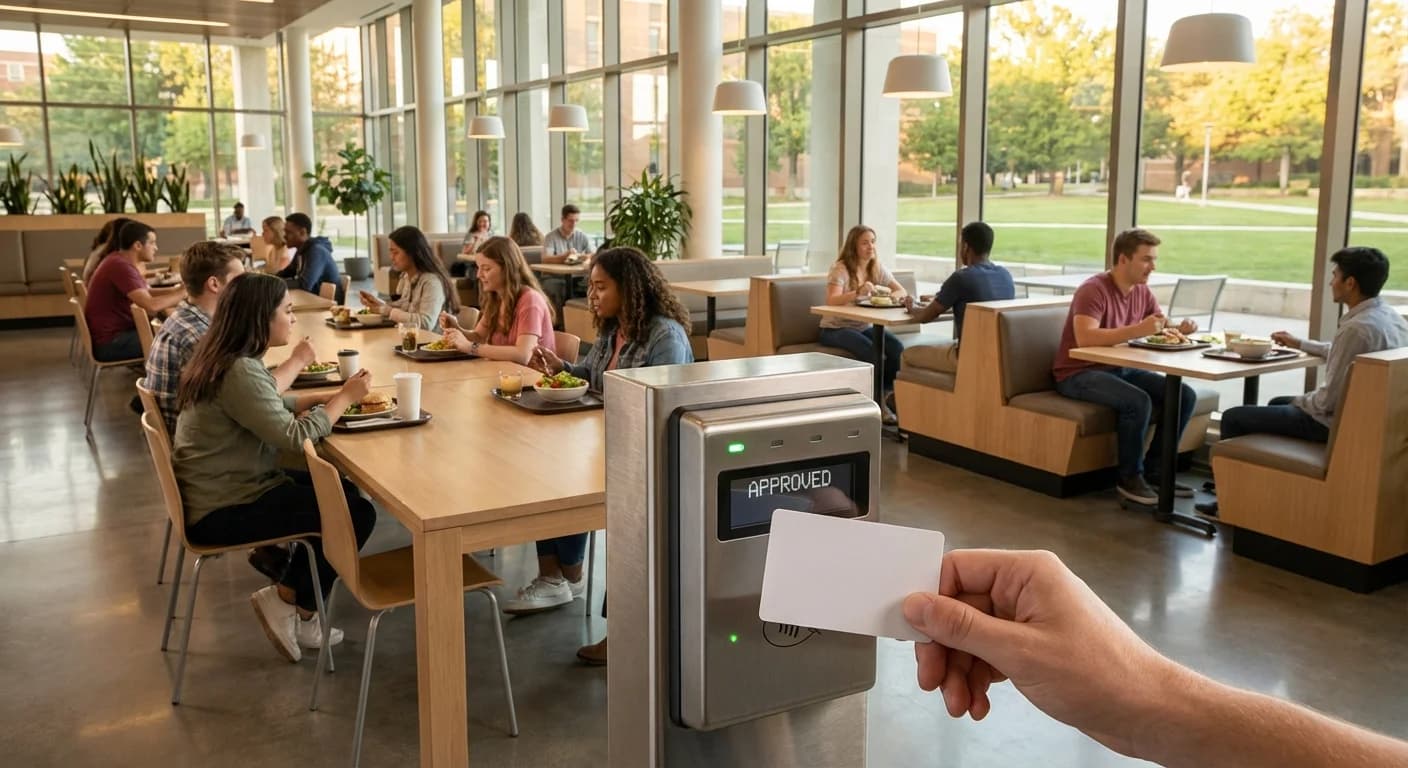
How RFID Campus Cards Are Transforming University Dining
Walk into any university dining hall during peak lunch hour and the scene is familiar: hundreds of students streaming through doors, tapping cards or phones at point-of-sale terminals, grabbing meals, and heading out — often in under 30 seconds. Behind that seamless experience is RFID technology,...
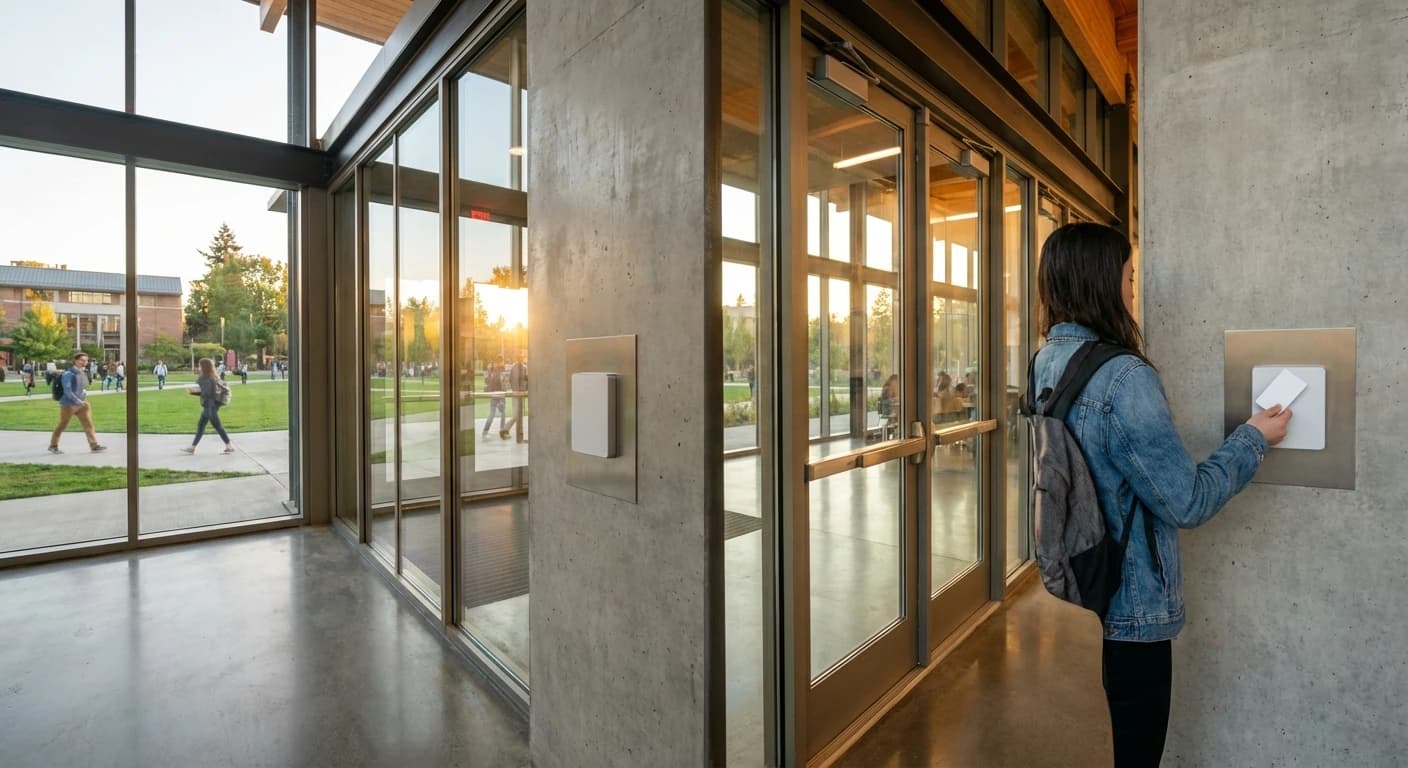
Unified Access Control: How Universities Are Merging RFID, Lockdowns, and Mobile Credentials
Campus security is undergoing its most significant transformation in a decade. As universities face an evolving threat landscape—from ideological violence to sophisticated cyber intrusions—security leaders are abandoning patchwork solutions in favor of unified access control platforms that bring...