Mobile vs Physical RFID Cards: What 97% of Students Really Want from Campus Access
Campus access technology stands at a crossroads. With 97% of adults aged 18-29 now owning smartphones, the push toward mobile credentials feels inevitable. Yet the question facing university administrators isn't simply "mobile or physical" — it's understanding what actually works when 30,000...
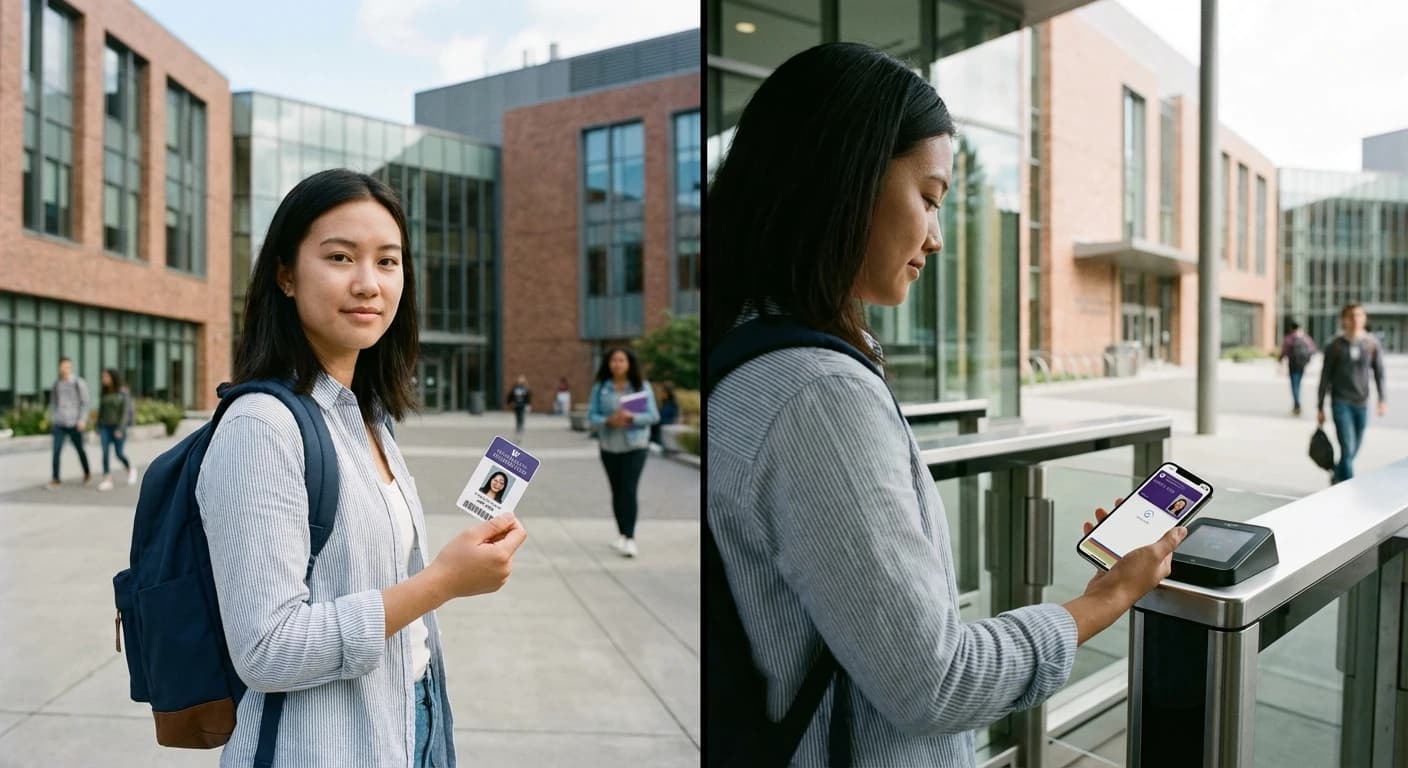
Campus access technology stands at a crossroads. With 97% of adults aged 18-29 now owning smartphones, the push toward mobile credentials feels inevitable. Yet the question facing university administrators isn't simply "mobile or physical" — it's understanding what actually works when 30,000 students need reliable access to dorms, labs, and dining halls at 2 AM on a Sunday.
The answer, as forward-thinking institutions are discovering, lies not in choosing one over the other but in deploying both strategically. Here's what the data reveals about student preferences and operational realities.
The Mobile Credential Momentum
Mobile wallet adoption has transformed how students interact with campus systems. Apple Wallet and Google Pay now support institutional credentials, enabling students to tap their phones at turnstiles, residence halls, and payment terminals. The appeal is obvious: students already carry their phones everywhere, and digital credentials can be provisioned instantly without physical card production or mailing delays.
For IT departments, mobile credentials offer compelling advantages. Lost credential reports drop significantly when students can re-authenticate through an app rather than waiting in line for a replacement card. Remote provisioning means new students can gain access before they even arrive on campus. And real-time deactivation provides immediate security response when needed.
Major universities including Duke, Alabama, and Johns Hopkins have implemented mobile student IDs with measurable success. Students consistently report higher satisfaction with the convenience of phone-based access, particularly for high-frequency touchpoints like dining halls and recreation centers.
Why Physical RFID Cards Remain Non-Negotiable
Despite mobile's rise, physical RFID cards aren't going anywhere — and experienced campus administrators know exactly why. The scenarios that expose mobile-only systems read like a crisis management checklist: dead phone batteries during finals week, cracked screens rendering NFC unusable, network outages affecting authentication servers, and students who simply prefer not to grant location permissions to yet another app.
Physical cards also serve functions that phones cannot easily replicate. Visual identification remains a security checkpoint requirement. Exam proctors need to verify student identity at a glance. Library staff checking out rare materials need tangible ID they can hold and inspect. Emergency responders during evacuations need to quickly identify who belongs on campus and who doesn't.
There's also the infrastructure reality. Many campuses operate legacy access control systems at certain buildings — older residence halls, maintenance facilities, athletic complexes — where upgrading every reader to support mobile credentials would require six-figure investments. Physical RFID cards work universally across mixed-age infrastructure.
Mobile vs Physical: Direct Comparison
Understanding where each technology excels helps administrators make informed deployment decisions:
FactorMobile CredentialsPhysical RFID Cards**Provisioning Speed**Instant remote activation1-3 days production time**Battery Dependency**Requires charged deviceNo power needed**Visual ID Function**Limited (screen display)Photo ID always visible**Legacy System Support**Requires updated readersUniversal compatibility**Loss/Theft Recovery**Remote deactivation immediateRequires card office visit**Offline Operation**Varies by implementationAlways functional**Student Preference (convenience)**High for daily usePreferred as backup**Cost Per Credential**Software licensing modelOne-time production cost
The Dual-Credential Strategy That Works
Leading institutions have moved beyond the either-or debate. The most effective approach issues every student a physical RFID card while simultaneously offering mobile credential enrollment as an optional enhancement. This strategy delivers several operational benefits.
First, it ensures universal access regardless of technology preference or device ownership. Not every student wants their phone managing their campus access, and some international students arrive with devices that don't support the required mobile wallet standards. Physical cards guarantee no student is excluded.
Second, it provides genuine redundancy. When a student's phone dies during a late-night study session, they can still badge into their residence hall. When campus networks experience issues, physical credentials continue functioning at readers with offline capability. When a student drops their phone in a fountain (it happens more than you'd think), they're not locked out of their own room.
Third, dual credentials actually reduce card office workload over time. Students who primarily use mobile credentials experience fewer physical card replacements, extending card lifecycle and reducing material costs. The physical card becomes a backup rather than a daily-use item, significantly reducing wear-related replacements.
Implementation Considerations for Campus Administrators
Successfully deploying a dual-credential system requires attention to several factors. Card design becomes more important when physical cards serve as backup — students should actually want to carry them. Modern RFID cards support high-resolution photo printing, custom institutional branding, and durable construction that communicates quality.
Credential lifecycle management needs clear policies. Define when credentials expire, how alumni access works, and what happens during leaves of absence. Both mobile and physical credentials should follow identical permission structures to avoid security gaps.
Reader infrastructure assessment identifies where mobile-capable upgrades deliver the highest ROI. High-traffic entrances benefit most from mobile support, while lower-frequency access points may not justify the upgrade cost.
Finally, student communication matters. Clearly explain that physical cards aren't being replaced — they're being supplemented. Students who understand they have options tend to adopt mobile credentials more enthusiastically, knowing their card remains a reliable fallback.
Building a Future-Ready Campus Access System
The institutions getting campus access right aren't betting exclusively on mobile's future or clinging defensively to physical cards. They're building systems flexible enough to serve students however they prefer to interact with campus infrastructure — today and as technology continues evolving.
Physical RFID cards remain the foundation: reliable, universal, and independent of batteries or network connectivity. Mobile credentials add convenience, speed, and the kind of technology experience students increasingly expect. Together, they create an access ecosystem that actually works for everyone.
The question isn't what students want — 97% of them clearly want their smartphones involved. The question is what students need when their phones can't deliver. Smart institutions provide both.
Ready to Modernize Your Campus Credential System?
CampusRFID partners with universities nationwide to design and produce high-quality RFID student ID cards that integrate seamlessly with both legacy systems and modern mobile credential platforms. Whether you're upgrading an existing program or building from scratch, our team can help you create a credential strategy that serves your students and your security requirements.
**Contact our campus solutions team** to discuss your institution's specific needs and receive a customized proposal.
Ready to Implement RFID on Your Campus?
Contact us to learn how our RFID solutions can improve campus security and student experience.
Related Articles
How RFID Campus Cards Are Transforming University Dining
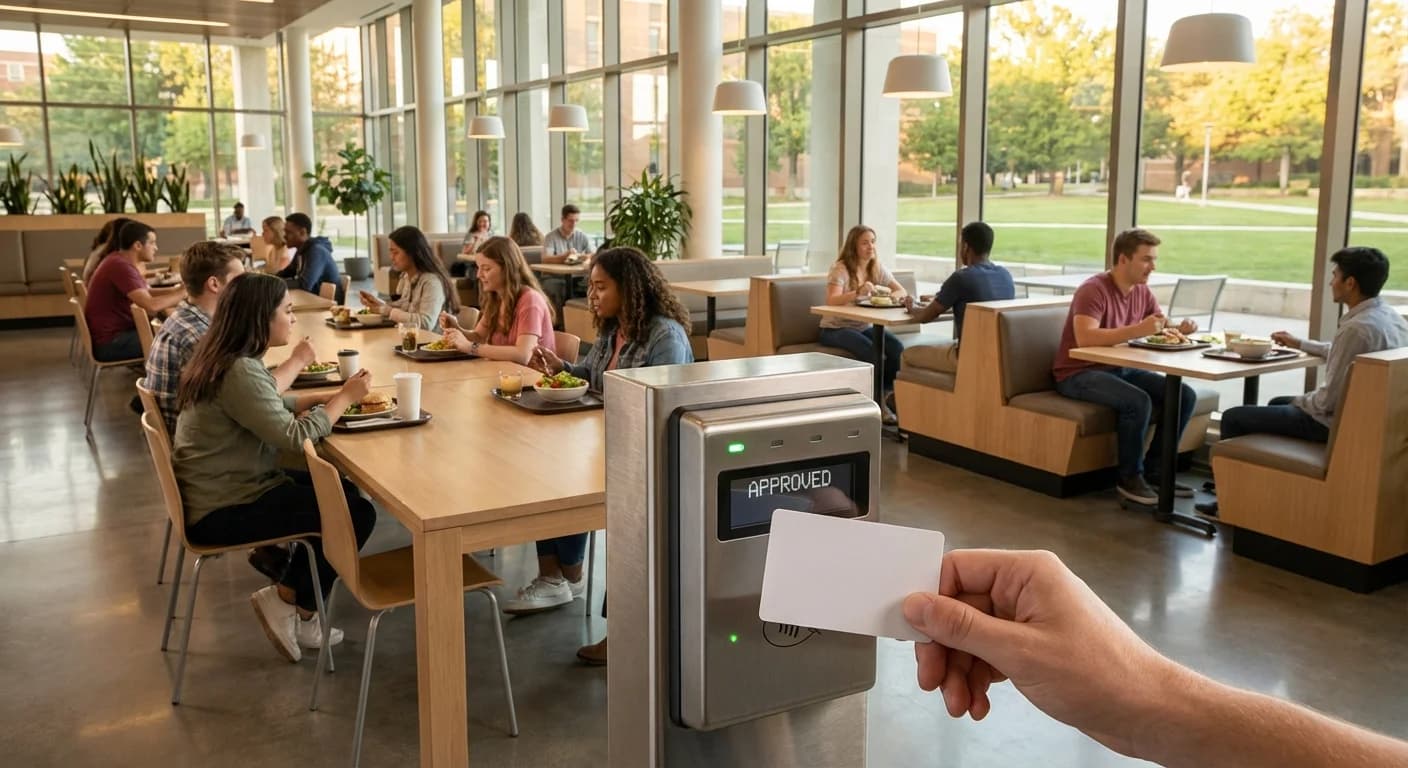
Walk into any university dining hall during peak lunch hour and the scene is familiar: hundreds of students streaming through doors, tapping cards or phones at point-of-sale terminals, grabbing meals, and heading out — often in under 30 seconds. Behind that seamless experience is RFID technology,...

Campus RFID Cards Revolutionizing Student Experience
Get the latest insights, market trends & inspiration!