How Tuskegee and Emory Are Securing Their Campuses with Mandatory Card Access in 2026
Campus security is no longer optional—it's foundational. As universities across the United States face mounting pressure to protect students, faculty, and facilities, a clear trend has emerged: mandatory card access systems are becoming the new standard. In 2026, two prominent institutions—Tuskegee...
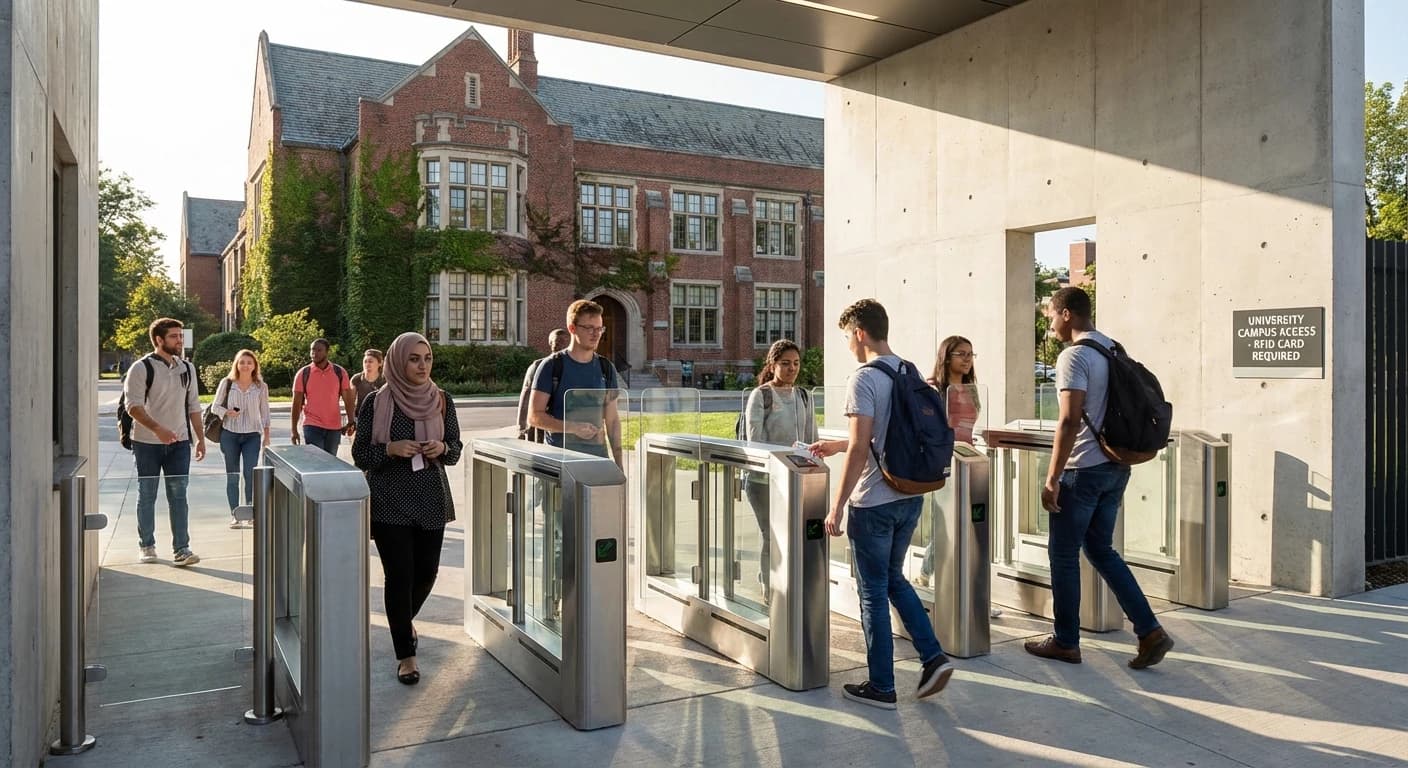
Campus security is no longer optional—it's foundational. As universities across the United States face mounting pressure to protect students, faculty, and facilities, a clear trend has emerged: mandatory card access systems are becoming the new standard. In 2026, two prominent institutions—Tuskegee University and Emory University—have made headlines by implementing comprehensive RFID-based access control measures that other schools are now watching closely.
These implementations represent more than technological upgrades. They signal a fundamental shift in how higher education approaches campus security, moving from reactive measures to proactive, digitally-managed systems that provide both protection and accountability.
Tuskegee University: Securing Every Entry Point
Tuskegee University, the historic Alabama institution founded by Booker T. Washington, has taken a comprehensive approach to campus security by installing digitally-managed automated barriers at all vehicular access points. But the university didn't stop with vehicles—pedestrian gates across campus now require key card access as well.
This dual-layer approach addresses one of the most common vulnerabilities in campus security: the assumption that controlling vehicle traffic alone is sufficient. By extending card access requirements to pedestrian entry points, Tuskegee has created a unified security perimeter that accounts for all methods of campus entry.
The automated barrier systems at vehicular checkpoints serve multiple purposes beyond security. They help manage parking, track campus population in real-time, and provide valuable data about traffic patterns that can inform future infrastructure decisions. For a campus with limited parking resources, this data-driven approach helps administrators make informed decisions about resource allocation.
The pedestrian gate system ensures that every person entering campus has been issued credentials and can be identified if necessary. This doesn't mean creating a fortress mentality—rather, it means knowing who is on campus at any given time, which proves invaluable during emergencies.
Emory University: Building-Level Access Control
Emory University in Atlanta has taken a different but equally effective approach. Rather than focusing primarily on perimeter control, Emory now requires EmoryCards—the university's official ID cards—to enter all academic and office buildings on campus.
This building-level access control strategy reflects the reality of modern university campuses. Many institutions, particularly those in urban environments, have open campuses where controlling the perimeter isn't practical. Emory's approach acknowledges this reality while still ensuring that sensitive spaces—classrooms, laboratories, offices, and research facilities—remain secure.
The EmoryCard system also enables granular access permissions. Not every cardholder needs access to every building. A chemistry student might have 24/7 access to science facilities but standard hours-only access to the business school. Faculty offices can be restricted to department members. Research labs containing sensitive equipment or materials can limit access to approved personnel only.
This flexibility is one of the key advantages of modern RFID card systems. The same card that grants a student access to their dormitory can also serve as their library card, meal plan identifier, and building access credential—all managed through a single, centralized system.
Key Lessons from These Implementations
Both Tuskegee and Emory demonstrate important principles that other institutions should consider when planning their own access control upgrades.
**Comprehensive coverage matters.** Half-measures in security often provide a false sense of protection. Tuskegee's decision to include both vehicular and pedestrian access points ensures there are no easy workarounds. Emory's building-by-building approach ensures that even if someone unauthorized reaches campus, they cannot access sensitive spaces.
**Digital management is essential.** Both systems are digitally managed, meaning access can be granted, modified, or revoked instantly. When a student graduates, withdraws, or is suspended, their access permissions can be updated immediately. When an employee changes departments, their building access can be adjusted without issuing a new card.
**Data provides value beyond security.** Modern access control systems generate data that helps with space utilization planning, emergency management, and operational efficiency. Knowing which buildings are most heavily used, at what times, helps administrators make better decisions about maintenance, staffing, and resource allocation.
**User experience affects adoption.** The most secure system in the world fails if users circumvent it. Both universities have implemented systems that integrate seamlessly with existing campus life. Cards that students already carry for other purposes now simply do more.
Best Practices for Institutions Considering Similar Upgrades
For university administrators and security directors evaluating their own access control needs, several best practices emerge from these case studies.
First, conduct a thorough assessment of your campus topology. Perimeter control works well for contained campuses; building-level control may be more appropriate for urban or open environments. Many institutions will benefit from a hybrid approach.
Second, plan for integration. Your access control system should communicate with your student information system, human resources database, and emergency notification platforms. Siloed systems create administrative burden and security gaps.
Third, consider scalability. Your campus will change—new buildings, new programs, new security requirements. Choose systems and card technologies that can grow with your institution without requiring wholesale replacement.
Fourth, prioritize reliability. Access control systems must work consistently. Students locked out of their dormitories at midnight or faculty unable to access their offices creates frustration that undermines support for security measures. Invest in quality hardware and redundant systems.
Finally, communicate clearly with your campus community. Security measures work best when users understand and support them. Explain the reasoning behind new requirements, provide clear instructions for obtaining and using credentials, and establish responsive support channels for issues.
The Path Forward for Campus Security
The implementations at Tuskegee and Emory represent the direction campus security is heading. As technology becomes more sophisticated and threats more varied, institutions that invest in robust, flexible access control systems position themselves to protect their communities effectively.
RFID-enabled ID cards remain the backbone of these systems. They're durable, difficult to counterfeit, and capable of supporting multiple applications on a single credential. When paired with modern access control infrastructure, they provide the security, accountability, and convenience that today's campuses require.
The question for most institutions is no longer whether to implement mandatory card access, but how to do so effectively. The examples set by Tuskegee and Emory provide valuable roadmaps for institutions ready to take this important step.
Ready to Upgrade Your Campus Security?
If your institution is considering implementing or upgrading RFID-based access control systems, we can help. CampusRFID specializes in providing high-quality RFID-enabled student ID cards designed specifically for educational environments. Our cards are built to integrate seamlessly with modern access control systems while providing the durability and security features that campus life demands.
**Contact our team today** to discuss your institution's needs and learn how the right ID card solution can support your campus security goals.
Ready to Implement RFID on Your Campus?
Contact us to learn how our RFID solutions can improve campus security and student experience.
Related Articles
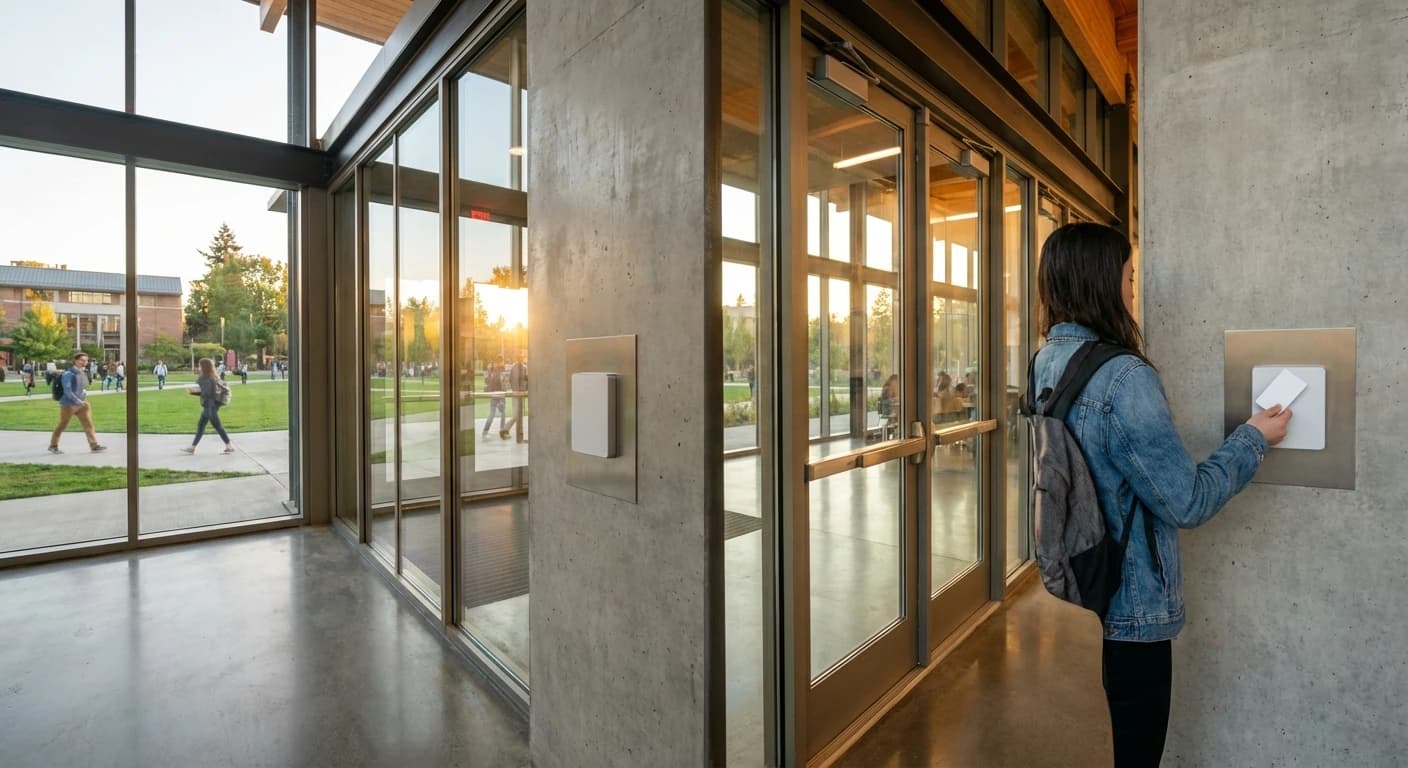
Unified Access Control: How Universities Are Merging RFID, Lockdowns, and Mobile Credentials
Campus security is undergoing its most significant transformation in a decade. As universities face an evolving threat landscape—from ideological violence to sophisticated cyber intrusions—security leaders are abandoning patchwork solutions in favor of unified access control platforms that bring...
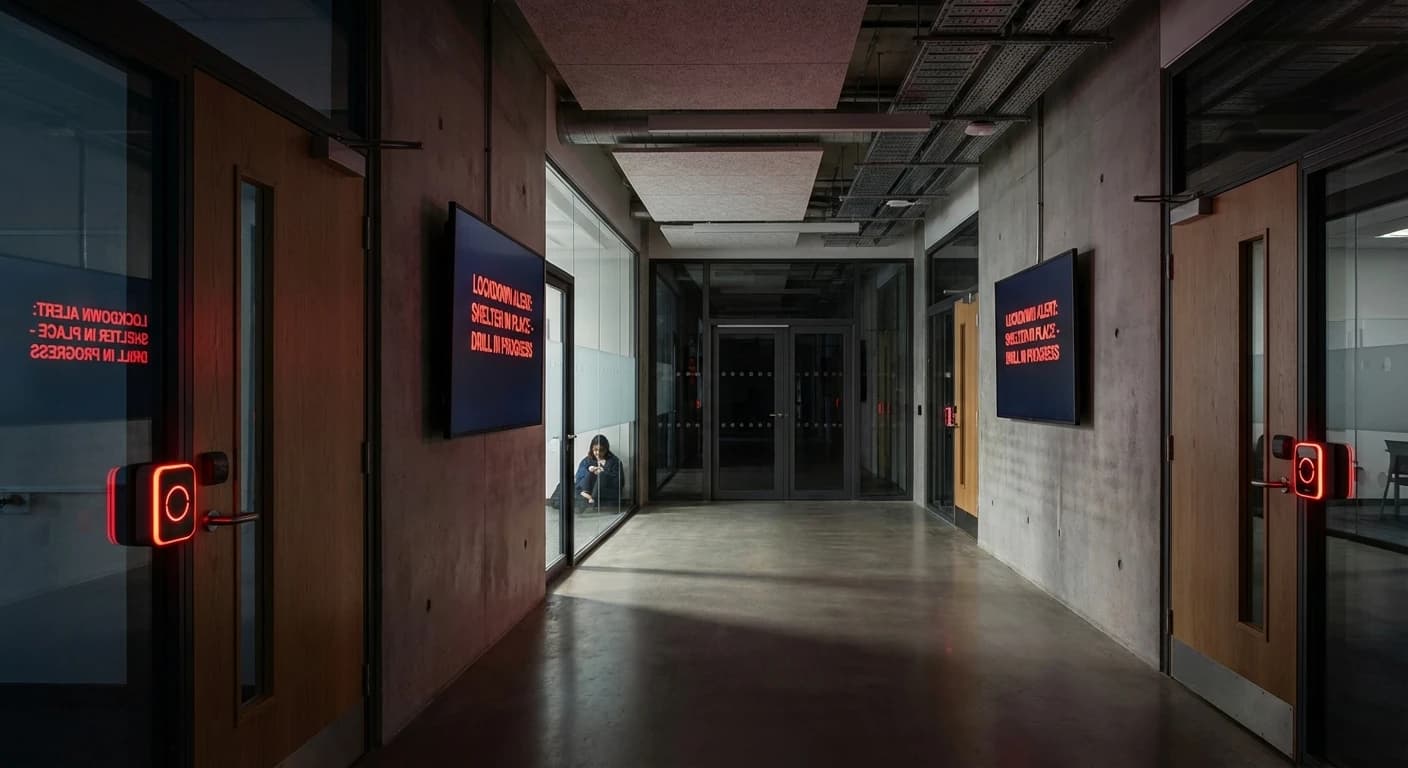
Emergency Lockdown Systems: How RFID Technology Saves Lives on Campus in 2026
When seconds count during a campus emergency, traditional lock-and-key systems become dangerous liabilities. Security officers cannot physically reach every door in time. Students fumble with manual locks while panic spreads. In 2026, universities are adopting RFID-powered emergency lockdown...