From ID Cards to Digital Credentials: How RFID Bridges Physical and Digital Campus Security
The campus ID card has come a long way from laminated photos and magnetic stripes. In 2026, educational institutions face a pivotal moment: digital credentials are reshaping how students prove their identities, skills, and achievements online, while physical security demands remain as critical as...
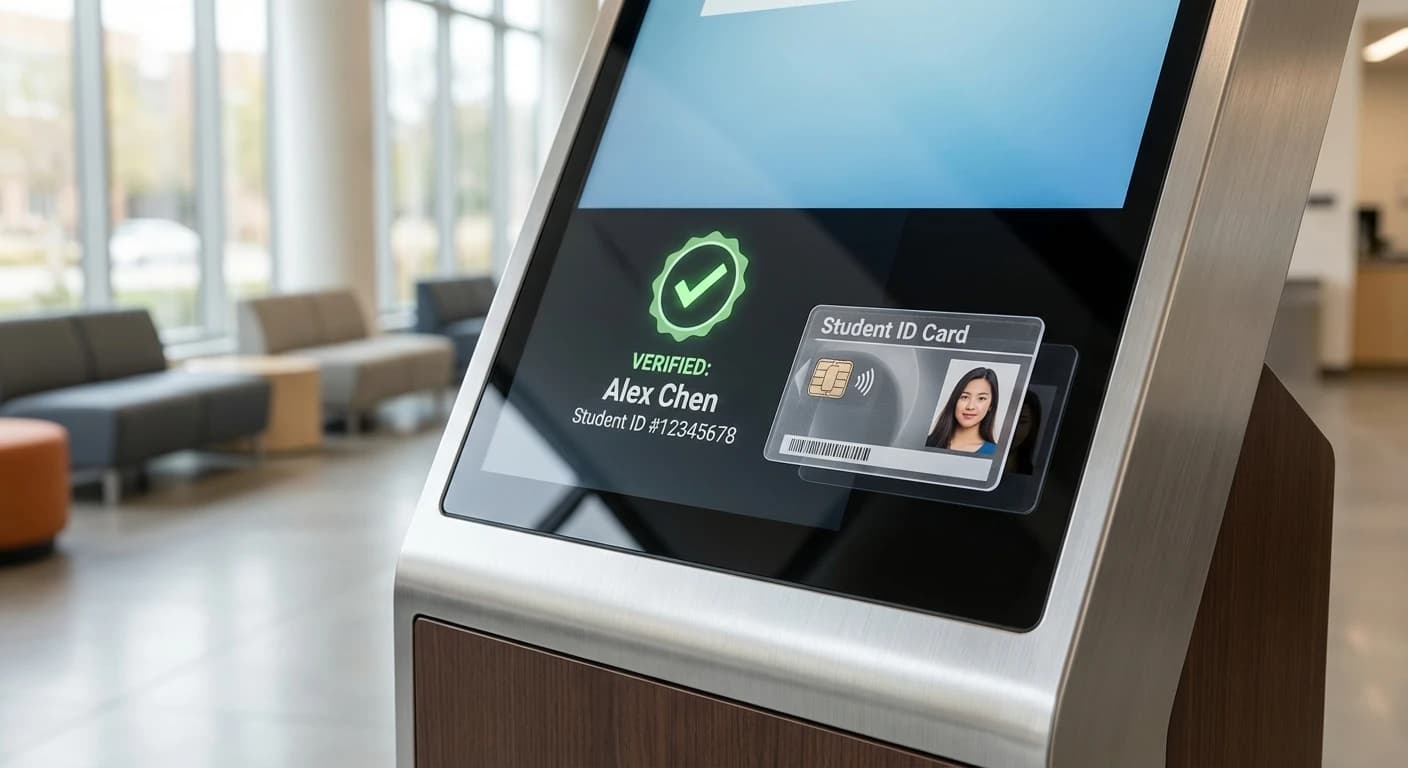
The campus ID card has come a long way from laminated photos and magnetic stripes. In 2026, educational institutions face a pivotal moment: digital credentials are reshaping how students prove their identities, skills, and achievements online, while physical security demands remain as critical as ever. The question is not whether to choose between physical and digital—it is how to integrate both into a cohesive identity ecosystem that serves students from enrollment to alumni status.
RFID technology sits at the center of this convergence. Far from being replaced by digital solutions, RFID-enabled student ID cards have become the physical anchor that makes secure digital identity possible. Understanding this relationship is essential for any administrator planning campus security infrastructure for the next decade.
The Rise of Digital Credentials in Higher Education
Digital credentials have moved from experimental to essential. Micro-credentials, verifiable badges, and blockchain-based certificates now allow students to demonstrate specific competencies to employers with cryptographic proof of authenticity. LinkedIn reports that skills-based hiring increased by 40% between 2024 and 2026, and employers increasingly expect candidates to present verifiable digital records of their qualifications.
For universities, this shift creates both opportunity and complexity. Students want portable, shareable proof of their achievements. Employers want instant verification without phone calls to registrar offices. And institutions want to reduce credential fraud while streamlining administrative processes.
But digital credentials have a fundamental challenge: they require a secure, verified link to the actual person claiming them. A digital badge is worthless if anyone can claim to be its owner. This is where physical identity verification becomes indispensable—and where RFID cards demonstrate their continued relevance.
RFID Cards as the Physical Identity Anchor
Every secure digital identity system needs a root of trust—a verified starting point that connects digital records to real individuals. On campus, the RFID-enabled student ID card serves this function. When a student receives their card during enrollment, they complete an in-person identity verification process: presenting government documents, having their photo taken, and being enrolled in campus systems.
This initial verification creates a chain of trust. The RFID card becomes a physical token that proves the holder completed that verification. When the card is tapped at a secure terminal, the system confirms not just that someone has credentials, but that a verified individual is physically present.
Modern RFID cards using 13.56 MHz technology (ISO 14443 and ISO 15693 standards) offer encryption capabilities that prevent cloning and unauthorized reading. Each card carries a unique identifier that cannot be duplicated, creating an unforgeable link between the physical token and the digital identity record in campus databases.
Bridging Physical and Digital: Integration Approaches
The most effective campus identity systems treat physical and digital credentials as complementary layers rather than competing technologies. Several integration approaches have proven successful in 2026 deployments.
**Dual-interface cards** combine contact and contactless technologies on a single credential. Students tap the same card for building access and insert it into readers for high-security applications like exam authentication or financial transactions. This layered approach matches security levels to risk profiles.
**NFC-enabled smartphones** can work alongside RFID cards rather than replacing them. Students provision a mobile credential linked to their physical card, allowing smartphone access for routine entries while requiring the physical card for sensitive operations. If a phone is lost or stolen, the physical card remains secure and can be used to revoke mobile access.
**Digital credential wallets** integrate with campus card systems to create a unified identity experience. When a student taps their RFID card at a kiosk, they can simultaneously authenticate their digital credential wallet, allowing them to download new badges, update certifications, or share verified records with third parties.
Security Considerations for Hybrid Systems
Integrating physical and digital identity systems requires careful attention to security at every connection point. The principle of least privilege should guide access decisions—students should authenticate at the minimum level required for each interaction.
RFID card data should never be transmitted in plaintext. Modern systems encrypt card-to-reader communication and use secure channels for all backend connections. Card identifiers stored in databases should be hashed, preventing mass credential theft even if databases are compromised.
Revocation processes must span both physical and digital domains. When a student loses their card or graduates, systems should simultaneously disable physical access and update digital credential status. Automated workflows that synchronize these processes reduce the window of vulnerability that manual updates create.
Future-Proofing Your Campus Identity Infrastructure
Administrators planning identity system investments should prioritize flexibility over specific technologies. The landscape will continue evolving, and infrastructure locked into proprietary systems becomes a liability.
Open standards matter. RFID systems built on ISO standards integrate more easily with emerging technologies than proprietary alternatives. Cards using standard protocols can work with readers from multiple vendors, creating competitive pricing and avoiding vendor lock-in.
Modular architecture allows incremental upgrades. Rather than replacing entire systems, institutions can add capabilities—mobile credentials, biometric verification, or blockchain integration—as needs evolve and technologies mature.
Data portability ensures that student identity records can move between systems as platforms change. Institutions that maintain clean, well-structured identity data will adapt more quickly than those with records scattered across incompatible legacy systems.
The Path Forward
The convergence of physical and digital identity is not a future possibility—it is happening now. Students already expect seamless experiences that span smartphone apps and physical card taps. Employers already demand verifiable credentials they can trust. The institutions that thrive will be those that build integrated systems capable of serving both needs.
RFID-enabled student ID cards remain the foundation of this integrated approach. They provide the physical verification that digital systems require, the durability that daily campus use demands, and the security that sensitive environments expect. Rather than being replaced by digital credentials, physical cards have become more valuable as the anchor that makes digital trust possible.
For campus administrators evaluating their identity infrastructure, the question is not whether to invest in RFID technology—it is how to deploy it in ways that support both current operations and future digital integration.
Ready to Modernize Your Campus Identity System?
CampusRFID specializes in RFID-enabled student ID cards designed for seamless integration with digital credential platforms. Our solutions support open standards, dual-interface configurations, and the flexibility your institution needs to adapt as technology evolves. Contact our team to discuss how we can help you build a campus identity system ready for 2026 and beyond.
Ready to Implement RFID on Your Campus?
Contact us to learn how our RFID solutions can improve campus security and student experience.
Related Articles
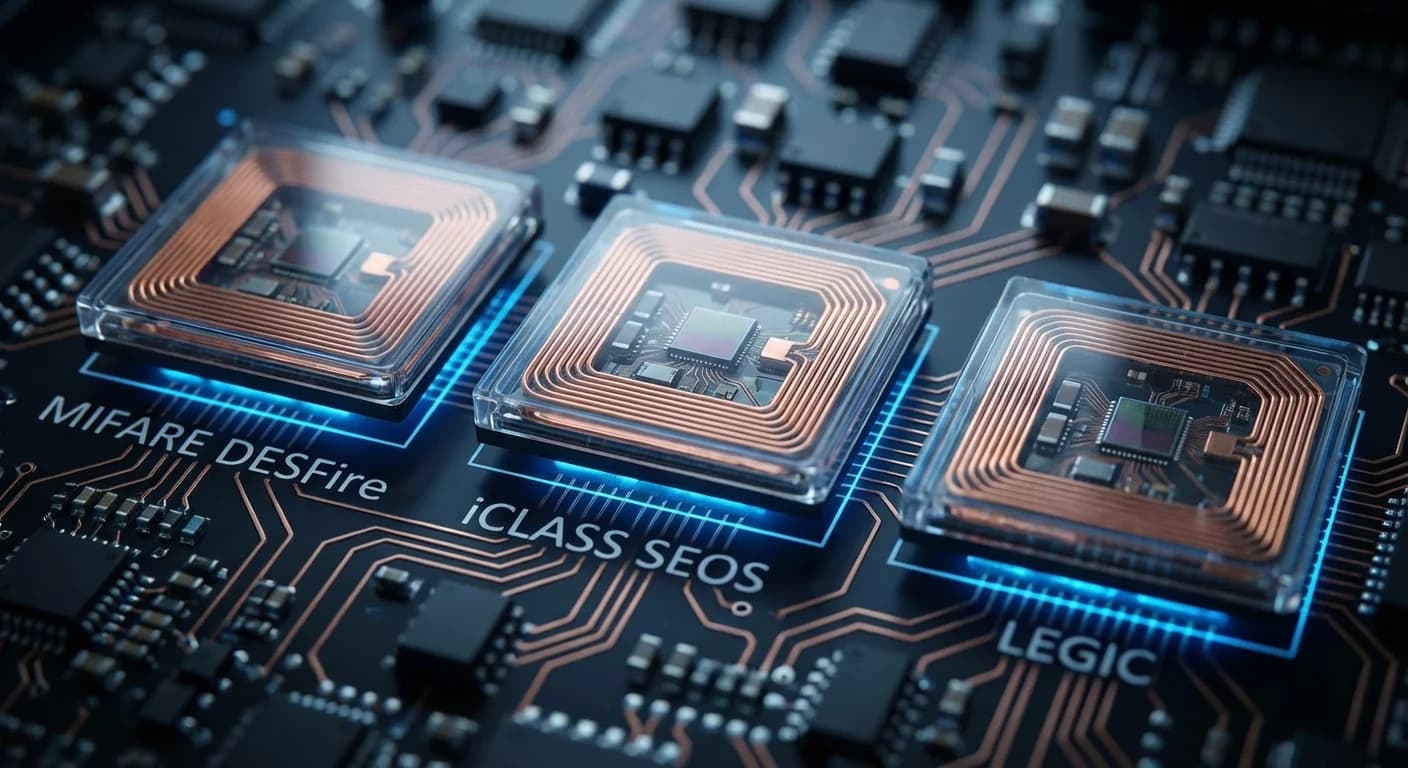
MIFARE DESFire EV3 vs iCLASS vs SEOS: Campus Card Chip Comparison Guide
Choosing the right chip technology for your campus card program is one of the most consequential decisions a university will make. This guide compares the three dominant contactless smart card platforms — NXP MIFARE DESFire EV3, HID iCLASS, and HID SEOS — across security, cost, compatibility, and migration paths.
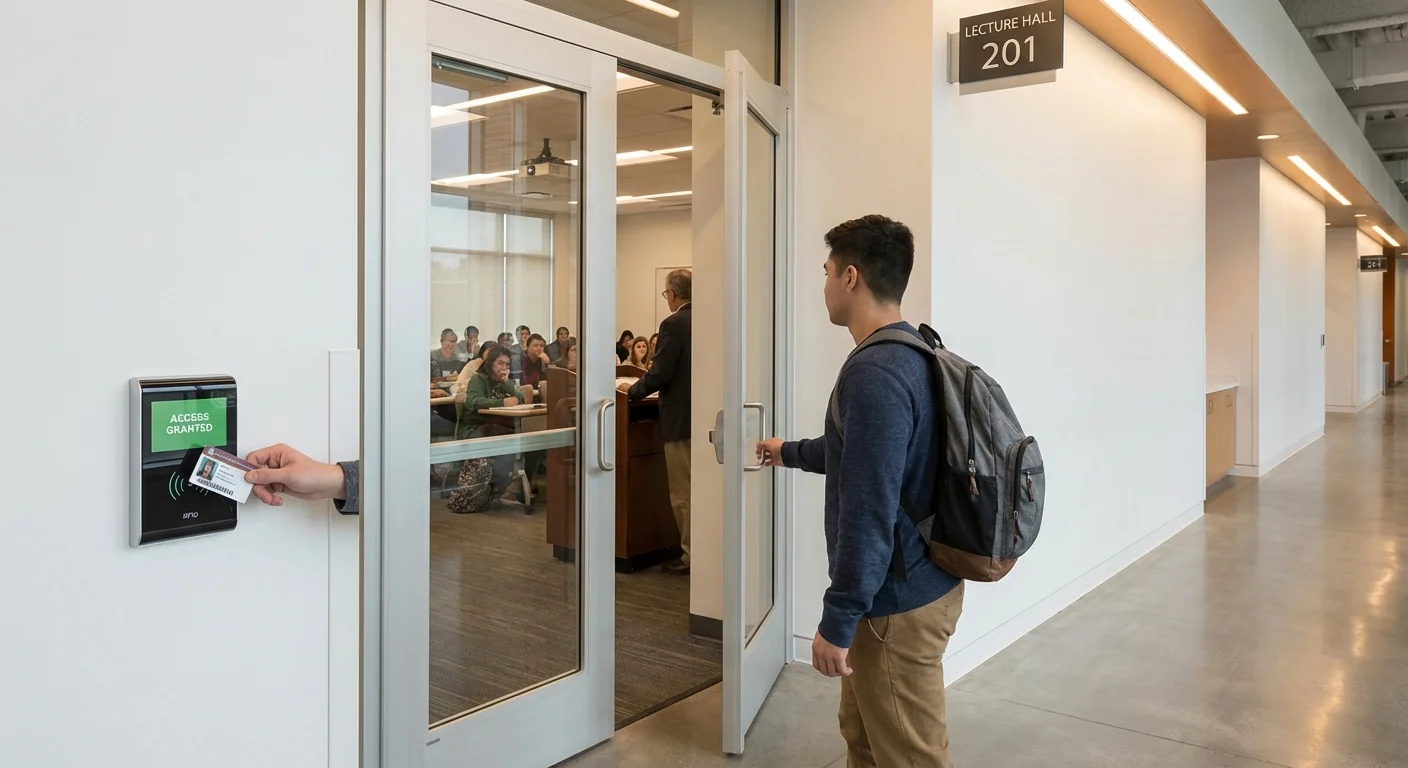
RFID Attendance Tracking for Universities: Complete Implementation Guide
RFID-based attendance tracking eliminates manual roll calls and buddy punching while giving universities real-time insight into lecture attendance patterns. This comprehensive guide covers the technology, integration with learning management systems, and GDPR considerations for European institutions.