AI-Powered Access Control: How Smart RFID Systems Are Predicting Campus Threats Before They Happen
For decades, campus security operated on a simple principle: something happens, then we respond. A door propped open triggers an alarm. An unauthorized access attempt gets logged. A security incident prompts a review of footage. This reactive model served institutions adequately when threats were...
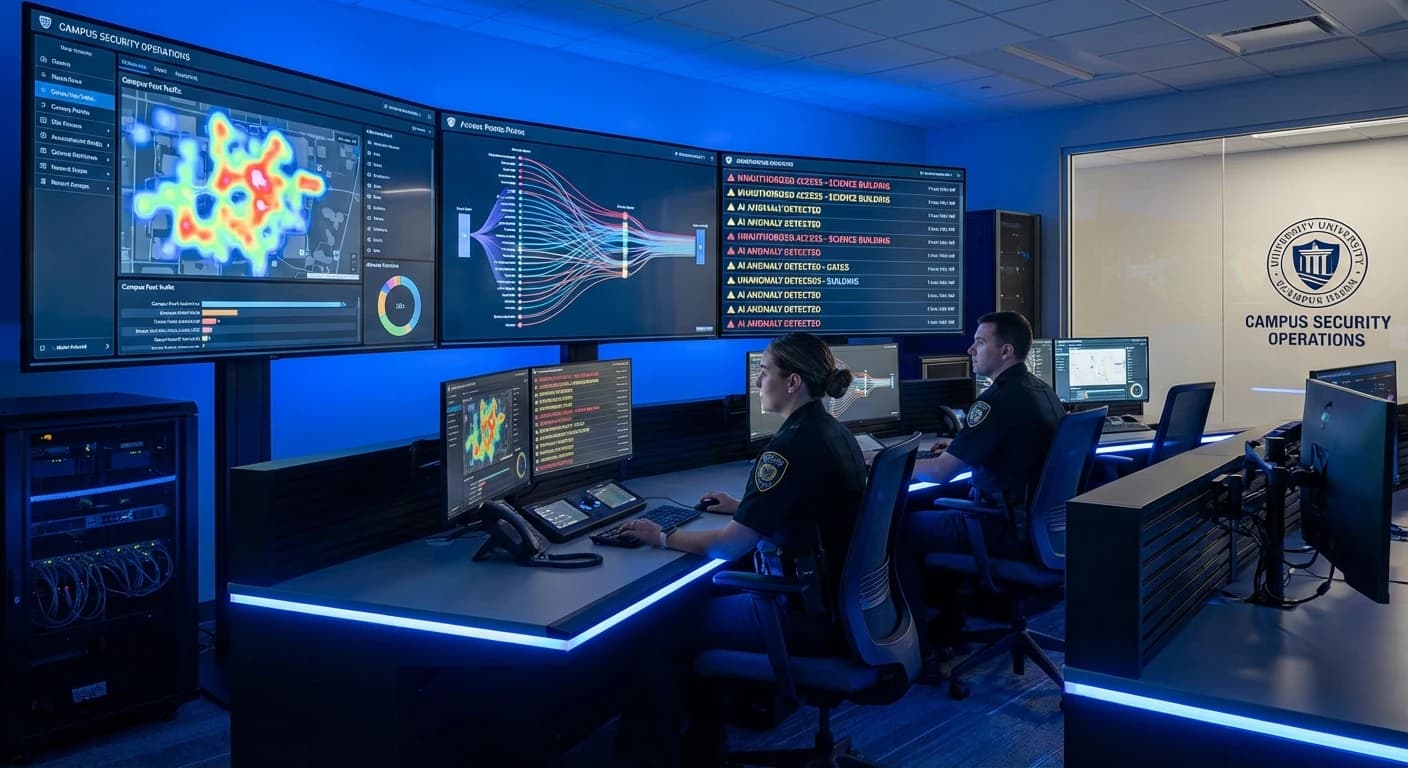
For decades, campus security operated on a simple principle: something happens, then we respond. A door propped open triggers an alarm. An unauthorized access attempt gets logged. A security incident prompts a review of footage. This reactive model served institutions adequately when threats were less sophisticated and campuses were smaller. Today, with sprawling multi-building complexes serving thousands of students, faculty, and visitors daily, waiting for incidents to occur before responding is no longer acceptable.
The integration of artificial intelligence with RFID-based access control systems represents a fundamental shift in campus security philosophy. Instead of asking "what happened?" security teams can now ask "what's about to happen?" This predictive approach transforms student ID cards from simple authentication tokens into data points within an intelligent security ecosystem that learns, adapts, and alerts in real time.
How AI Transforms RFID Data Into Security Intelligence
Every time a student taps their RFID card at a door reader, dining hall, library turnstile, or parking garage, they generate a data point. Multiply this by thousands of cardholders across dozens of access points over months and years, and you have a massive dataset that traditional security systems largely ignore beyond basic access logging.
AI-powered systems treat this data differently. Machine learning algorithms analyze access patterns to establish behavioral baselines for individuals, groups, and the campus as a whole. The system learns that engineering students typically access the science building between 8 AM and 6 PM on weekdays. It recognizes that dining hall traffic peaks at predictable intervals. It understands that certain buildings see minimal activity after 10 PM except during finals week.
This pattern recognition happens continuously and automatically. The AI doesn't need explicit programming for every scenario—it discovers normal patterns through observation and flags deviations that warrant attention.
Predictive Capabilities That Matter
Anomaly detection forms the foundation of predictive campus security. When a student who has never accessed the administrative building attempts entry at 3 AM, the system recognizes this as statistically unusual. When multiple failed access attempts occur across different buildings in rapid succession, the pattern suggests a lost or stolen card being tested—or something more concerning.
Behavioral analysis goes deeper than simple anomaly detection. AI systems can identify concerning patterns that human operators would miss in the noise of thousands of daily transactions. A gradual change in a student's access patterns—increasingly erratic times, abandoned regular locations, access to isolated areas—might correlate with behavioral indicators that campus mental health resources should know about, with appropriate privacy safeguards in place.
Tailgating detection uses temporal analysis to identify when multiple people pass through a door on a single card swipe. If the average door passage time is 3 seconds but the system detects 8 seconds of movement, someone likely followed an authorized cardholder through. Advanced systems pair this with occupancy tracking to maintain accurate building population counts—critical information during emergencies.
Credential sharing patterns emerge when AI notices a single card being used at physically impossible locations within short timeframes, or when access patterns suggest multiple users operating under one identity. This protects both security integrity and ensures accurate emergency accountability.
Real-Time Alerting and Natural Language Incident Search
The value of predictive intelligence depends entirely on how quickly it reaches decision-makers. Modern AI-powered RFID systems deliver tiered alerts based on threat severity. Low-priority anomalies might queue for morning review, while high-priority patterns trigger immediate notifications to security personnel with recommended response protocols.
Natural language search capabilities allow security directors to query historical data conversationally. Instead of constructing complex database queries, administrators can ask: "Show me all after-hours access to the chemistry building last month" or "Which cards accessed both the parking garage and main library on March 15th?" This democratizes data access and accelerates incident investigation.
Integration with other campus systems amplifies effectiveness. When RFID access data connects with video surveillance, the AI can automatically queue relevant footage when anomalies occur. Integration with student information systems allows the security team to quickly identify individuals and understand context—is this person a new transfer student unfamiliar with building assignments, or someone who shouldn't be on campus at all?
Privacy Considerations and Ethical Implementation
The power of AI-driven access analytics demands responsible implementation. Students and staff deserve transparency about what data is collected, how it's analyzed, and who can access insights derived from their movements.
Leading institutions establish clear data governance policies before deploying predictive systems. These typically include data retention limits that automatically purge routine access logs after defined periods, role-based access controls that restrict who can view individual movement patterns, anonymization of data used for aggregate pattern analysis, and clear policies about when individual-level analysis is warranted.
The goal is security enhancement without surveillance overreach. AI should identify genuine threats and safety concerns, not enable monitoring of lawful activities or chill campus expression. Regular audits and clear accountability structures help maintain this balance.
Implementation Considerations for Campus Leaders
Transitioning to AI-powered access control requires more than technology procurement. Successful implementations share several characteristics.
Infrastructure assessment comes first. AI systems require reliable network connectivity at all access points and sufficient processing capacity for real-time analysis. Many campuses find their existing RFID reader infrastructure supports AI integration with minimal hardware changes—the intelligence lives in the software layer.
Staff training determines adoption success. Security personnel need to understand what the AI can and cannot do, how to interpret alerts, and when to override automated recommendations. The technology augments human judgment rather than replacing it.
Stakeholder communication prevents backlash. Students, faculty, and staff should understand how AI enhances their safety without intruding on their privacy. Proactive communication builds trust that reactive explanations after concerns arise cannot match.
Phased rollout allows learning. Starting with a single building or specific use case lets security teams build expertise before campus-wide deployment. Early wins demonstrate value and build organizational support for broader implementation.
The Future Is Predictive
Campus security has always been about protecting people and enabling the educational mission. AI-powered RFID systems don't change that fundamental purpose—they make achieving it more feasible in an era of complex threats and constrained resources.
The institutions that thrive will be those that embrace predictive security intelligently: leveraging AI capabilities while respecting community values, using data responsibly while maintaining transparency, and automating routine analysis while keeping humans accountable for decisions that matter.
The shift from reactive to proactive security isn't coming—it's here. The question for campus leaders is whether to lead that transition or follow it.
Ready to Explore AI-Enhanced Campus Security?
CampusRFID partners with educational institutions to implement intelligent access control solutions tailored to their specific security requirements and campus culture. Our team can assess your current infrastructure, demonstrate AI capabilities relevant to your challenges, and develop an implementation roadmap that balances security enhancement with practical constraints.
**Contact our campus security specialists** to schedule a consultation and learn how predictive access control can transform your institution's safety posture.
Ready to Implement RFID on Your Campus?
Contact us to learn how our RFID solutions can improve campus security and student experience.
Related Articles

Unified Access Control: How Universities Are Merging RFID, Lockdowns, and Mobile Credentials
Campus security is undergoing its most significant transformation in a decade. As universities face an evolving threat landscape—from ideological violence to sophisticated cyber intrusions—security leaders are abandoning patchwork solutions in favor of unified access control platforms that bring...
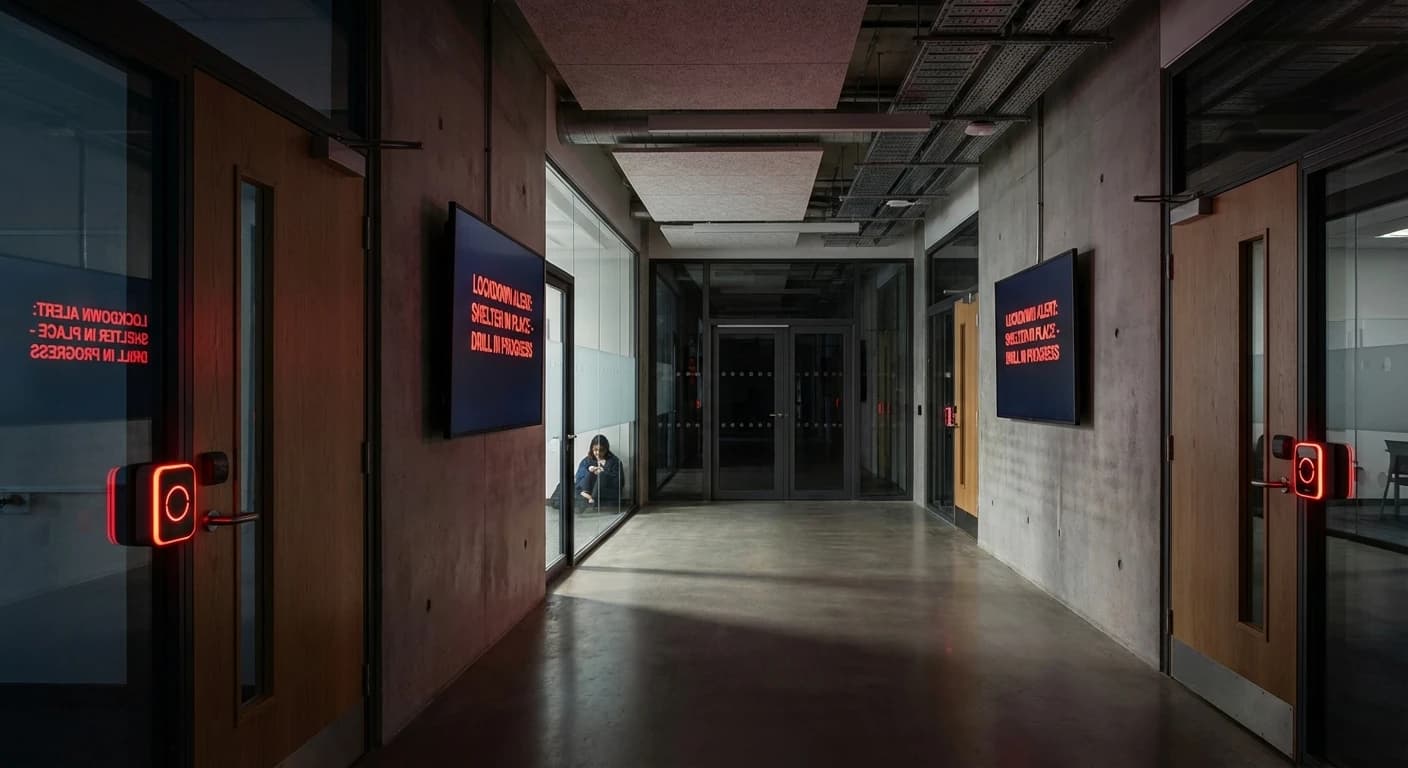
Emergency Lockdown Systems: How RFID Technology Saves Lives on Campus in 2026
When seconds count during a campus emergency, traditional lock-and-key systems become dangerous liabilities. Security officers cannot physically reach every door in time. Students fumble with manual locks while panic spreads. In 2026, universities are adopting RFID-powered emergency lockdown...