Identifiants mobiles vs cartes de campus physiques : Comparaison complète pour les universités
Les cartes étudiantes Apple Wallet et Google Wallet transforment la vie universitaire, mais les cartes RFID physiques restent indispensables. Ce guide examine pourquoi la stratégie hybride l'emporte — alliant la commodité mobile à la fiabilité d'une carte physique.
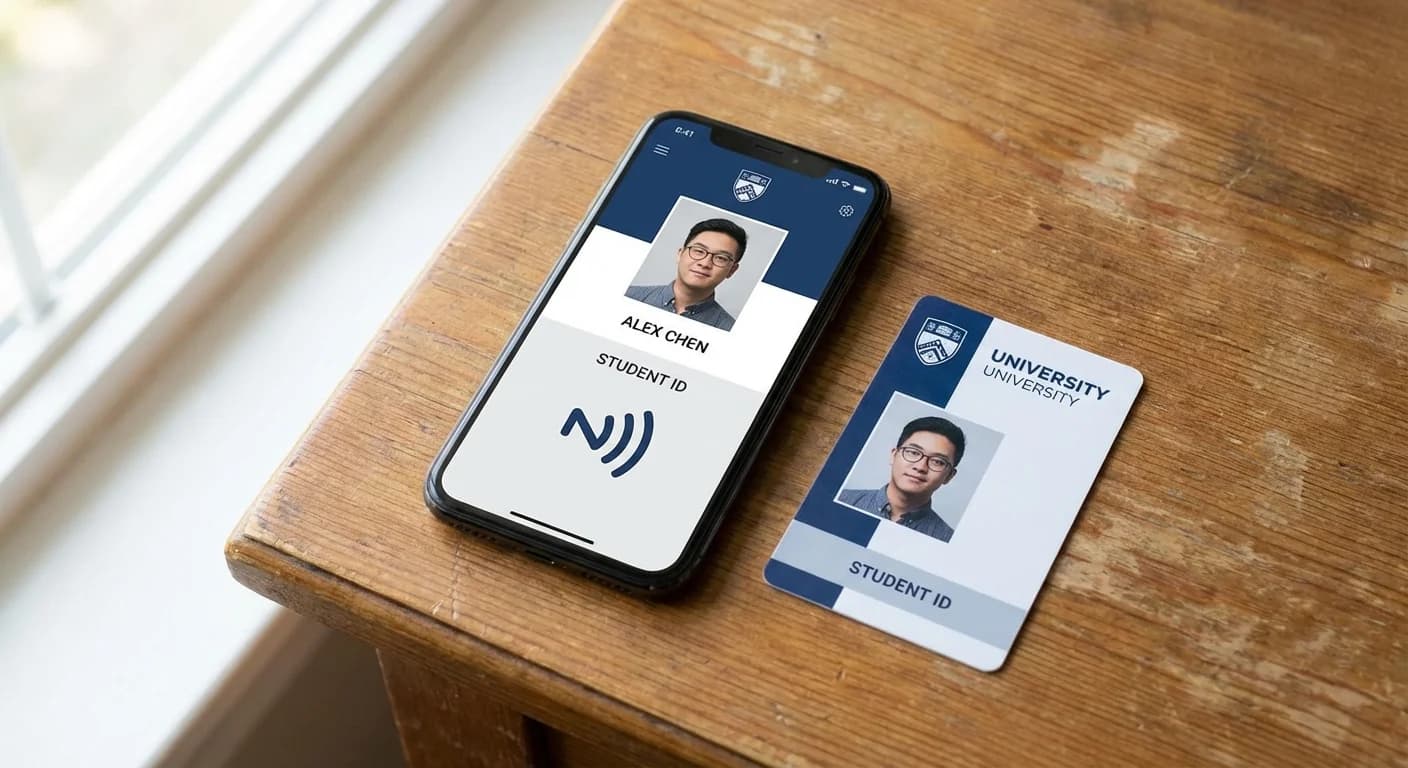
Le débat entre identifiants mobiles et cartes de campus physiques suscite des opinions tranchées des deux côtés. Les partisans du tout-mobile invoquent les habitudes numériques de la génération Z — 79 % utilisent régulièrement des portefeuilles numériques, et une enquête plateformes américaines de cartes de campus révèle que 55 % des étudiants estiment que les établissements sans option d'identifiant numérique sont « restés au passé ». Les gestionnaires d'installations et directeurs de sécurité soulignent cependant que les téléphones se déchargent, cassent, se perdent et sont interdits en salle d'examen. Les preuves pointent clairement vers une approche hybride.
L'essor des cartes étudiantes mobiles
Les cartes étudiantes dans Apple Wallet, Google Wallet et Samsung Wallet sont passées de la nouveauté au courant dominant en moins de cinq ans. L'expérience étudiante est convaincante : ajoutez votre carte étudiante à votre application de portefeuille et passez votre téléphone pour entrer dans les bâtiments, payer vos repas et utiliser la bibliothèque.
Fonctionnement technique
La plateforme génère un jeton spécifique à l'appareil, stocké dans l'élément sécurisé — isolé du système d'exploitation principal. La communication se fait par NFC chiffré.
Express Mode sur les appareils Apple permet l'utilisation sans déverrouiller le téléphone — fonctionne même avec une batterie critique, jusqu'à 5 heures après l'extinction.
Pourquoi les cartes physiques ne disparaîtront pas
Environnements d'examen
La plupart des universités interdisent les smartphones en salle d'examen. Les étudiants ont besoin d'une pièce d'identité photo physique.
Sauvegarde et fiabilité
Les téléphones cassent, sont volés ou se déchargent. Une carte physique est une sauvegarde sans batterie toujours disponible.
Visiteurs et utilisateurs temporaires
Les participants aux conférences, chercheurs invités et travailleurs temporaires ont besoin d'identifiants. Une carte physique préprogrammée à l'accueil est bien plus efficace.
Équité et accessibilité
Tous les étudiants n'ont pas un smartphone récent compatible NFC.
Le modèle hybride : le meilleur des deux mondes
Nous recommandons systématiquement aux universités un programme hybride combinant cartes physiques de haute qualité et identifiants mobiles.
*Prêt à construire un programme de cartes de campus hybride ? Contactez CampusRFID pour discuter des spécifications de cartes compatibles avec votre plateforme d'identifiants mobiles.*
Approfondir ce sujet
Pages produit sélectionnées en fonction du sujet traité dans ce guide.
Cartes d'accès haute sécurité
Cartes sans contact chiffrées AES pour les sites nécessitant une protection contre le clonage, les attaques par rejeu et le partage de identifiants.
Cartes à double identifiant
Puce à contact plus interface sans contact sur une seule carte pour les sites qui ont besoin de identifiants hérités et modernes.
Prêt à implémenter le RFID sur votre campus ?
Contactez-nous pour découvrir comment nos solutions RFID peuvent améliorer la sécurité du campus et l'expérience étudiante.
Articles connexes
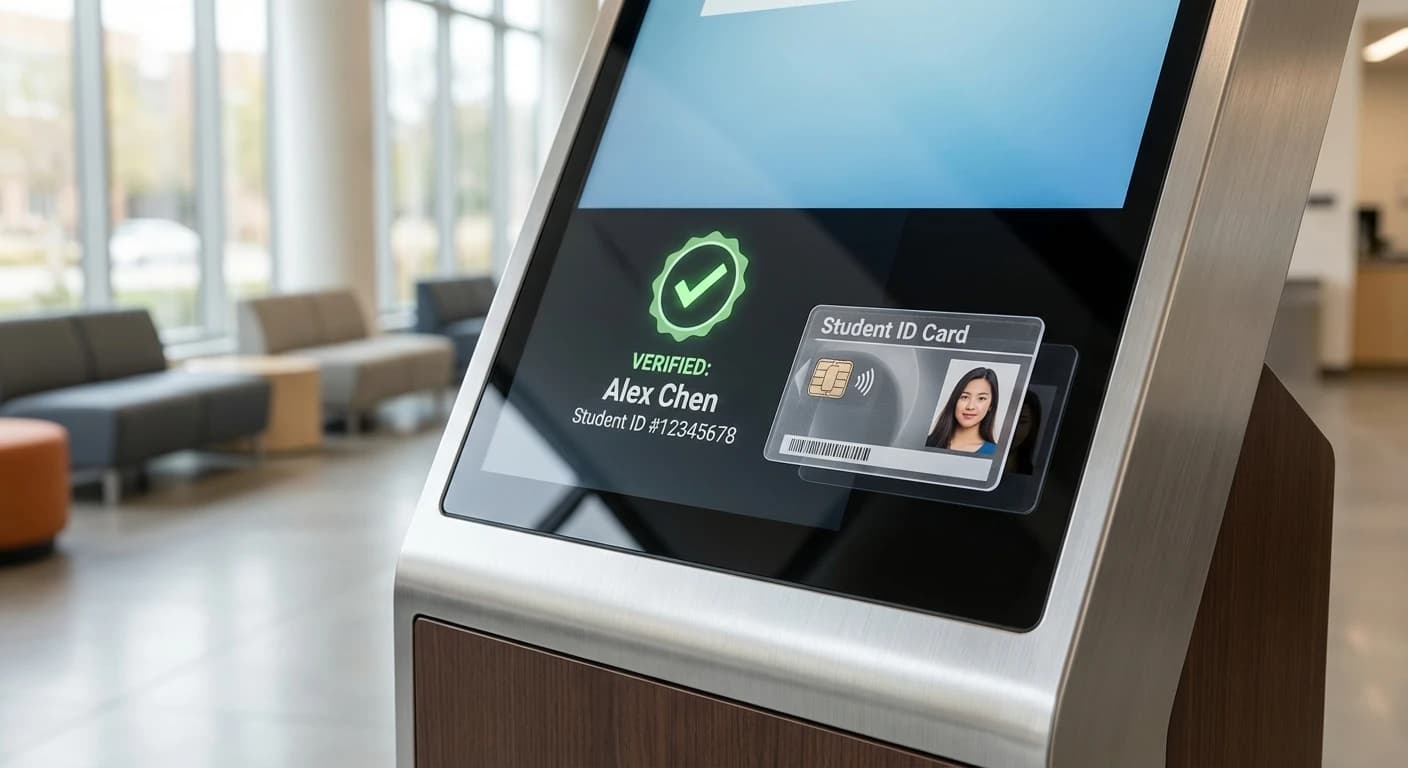
Des cartes d'identité aux identifiants numériques : comment la RFID fait le pont entre sécurité physique et numérique du campus
La carte d'identité étudiante a parcouru un long chemin depuis les photos plastifiées et les bandes magnétiques. En 2026, les établissements d'enseignement font face à un moment charnière : les identifiants numériques transforment la façon dont les étudiants prouvent leur identité, leurs compétences et leurs réalisations en ligne, tandis que les exigences de sécurité physique restent aussi critiques que...
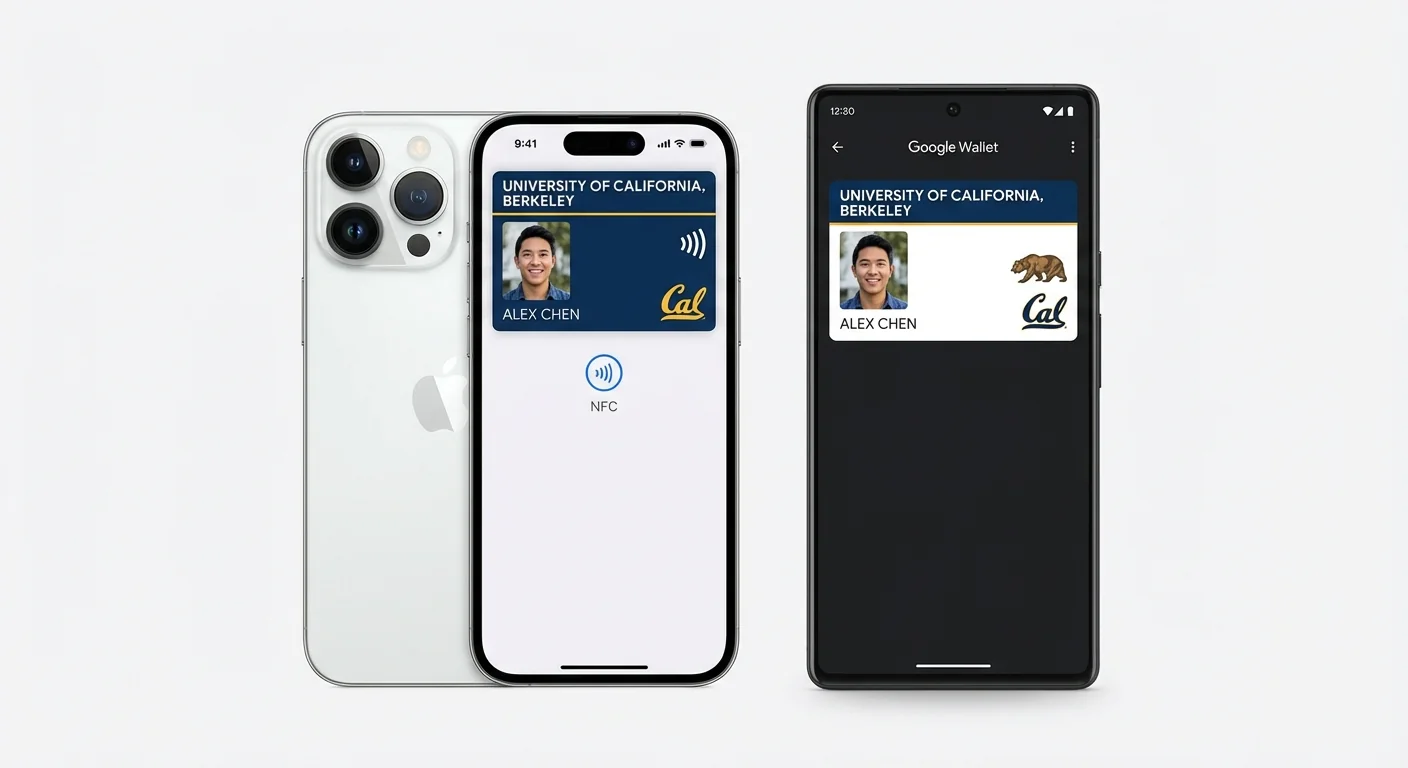
Ajouter sa carte étudiante à Apple Wallet & Google Wallet (2026)
Guide pas à pas pour ajouter une carte étudiante à Apple Wallet et Google Wallet — universités compatibles, configuration et ce que les responsables campus doivent savoir.